A Designer’s Take on the Archer Definition Embroidery Design
First Impression: Classic, Bold, and Clearly Defined
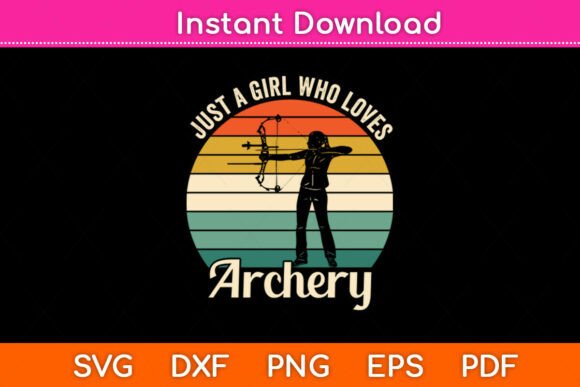
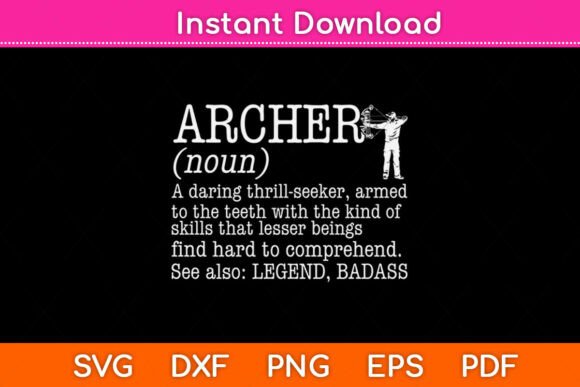
Opening this Archer Definition Archer Archery Svg Png file, the first thing that strikes me is its straightforward, confident personality. It’s not overly ornate or whimsical; it’s a classic, bold statement piece. The layout is clean, with the central archer figure and the definition text forming a cohesive, balanced unit. This visual clarity is a huge plus for embroidery. The shapes are well-defined, and the level of detail feels intentional—not too sparse, not overly dense. It creates a mood of tradition, skill, and quiet focus. Instantly, I’m thinking this design belongs on something sturdy and timeless: a custom sweatshirt for a coach, a tote bag for a tournament participant, or an embroidered patch for a club jacket.
Where This Design Shines in Real Projects
Let’s walk through a real scenario. Imagine you’re preparing a custom embroidered tote bag as a gift for an archery enthusiast. This Archer Definition design is perfect. Its substantial, graphic nature will translate beautifully into satin stitches for the text and a combination of fill and running stitches for the archer figure. On a canvas tote, it will look crisp and professional, adding significant perceived value to a handmade product.
Beyond tote bags, this design performs exceptionally well on apparel where you want a clear, readable statement. Think sweatshirts, polo shirts, or aprons for a small business selling outdoor or sporting goods. It has the weight to stand alone as a central motif on a baby blanket for a family passionate about the sport, becoming a cherished heirloom. For craft fair products or Etsy listings, it elevates basic items—like pillow covers or tea towels—into niche, themed merchandise that speaks directly to a community.
As a digital embroidery file, it also serves as a strong, reliable asset for printable mockups or digital product previews, helping you sell the idea before stitching. For commercial embroidery projects, like a batch of caps for a local archery range, this design’s clarity ensures recognition and professionalism, fostering customer trust in your craftsmanship.
Handling the Stitching: Practical Considerations
Embroidery is where a design’s true character is revealed. Here’s how I see this one behaving under the needle. The text, “Archer Definition,” is the element requiring the most attention. On smaller hoop sizes, the lettering’s stitch density will need to be checked carefully to maintain readability without puckering. Test it on scrap fabric first—this is non-negotiable. For the archer figure, the details like the bow and pose should stitch out cleanly, but watch those corners and tighter angles; they might benefit from a slight adjustment in stitch type or sequence depending on your machine.
Thread color contrast is key. On light fabrics, a classic dark brown or forest green would be stunning. On dark fabrics like a black sweatshirt, you’ll need a lighter, contrasting thread palette to make the definition pop. Always use a proper stabilizer suited to your fabric’s texture, especially for stretchy fabrics or thinner materials like baby clothes, to preserve that clean outline.
Where to Apply a Careful Eye
While this Archer Definition Archer Archery design is versatile, some applications demand extra caution. On highly textured fabrics, like a thick sweater, some of the finer lines in the figure might soften—which can actually be a charming effect, but not if you need razor-sharp precision. Embroidering on curved surfaces, such as the front of a cap, requires careful hooping and possibly simplifying the design’s outermost elements to ensure it sits flat and looks intentional.
Products that will undergo frequent washing, like kitchen towels or youth sports apparel, need a robust stitch structure. Review the stitch density in the fill areas to ensure they can withstand wear without fraying. Also, for tiny items or very small embroidery areas, the entire design might need to be scaled down, which could challenge the clarity of the text. Always compare light and dark fabric backgrounds in your test runs to see how the design’s personality shifts.
Affecting Your Business and Craft
Using a design like this isn’t just about stitching; it’s about your product’s story. This Archer Definition file adds a layer of authenticity and knowledge to your handmade presentation. It feels like a specialized, thoughtful choice, not a generic graphic. That directly boosts giftability and buyer engagement for your small shop product or Etsy listing. It helps build brand consistency if your craft business focuses on sporting, heritage, or definition-themed goods.
However, a crucial note for all embroidery designers and creative entrepreneurs: before selling finished items or commercial embroidery projects using this file, confirm its licensing terms. The product description notes it’s for cutting machines, but as an embroidery file, you must verify it’s cleared for commercial use if that’s your intent. Never assume.
Final Designer Notes Before You Hoop
My overall judgment? This Archer Definition Archer Archery design is a robust, dependable graphic for embroidery. It carries a classic mood that resonates in niche markets. It will stitch out with authority on appropriate projects. To integrate it successfully into your workflow: test it on your typical fabric scraps, check the interplay between the figure and text at your intended size, and consider how its bold, defined personality aligns with the final product—be it a personalized gift, custom apparel, or boutique merchandise. It’s a design that, when paired with careful craftsmanship, results in a finished product that feels both handmade and profoundly correct for its purpose.