A Tribute to Special Teachers, Stitched in Detail
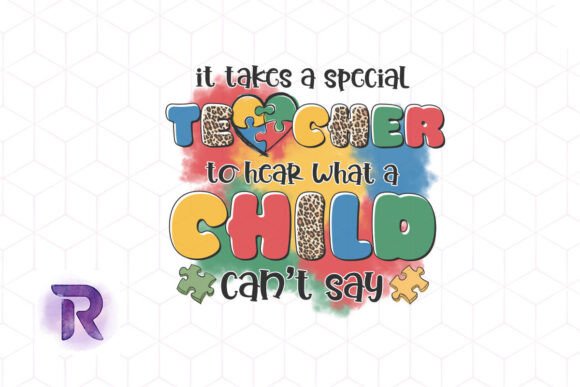
Whenever a design like It Takes a Special Teacher to Hear PNG lands on my screen, my first question isn’t about its beauty—it’s about its workability. How will it translate from a digital file into a tangible, threaded piece? As someone who designs for clients and runs a small craft business, a good design must be both evocative and technically sound. This one immediately sets a mood of heartfelt gratitude and quiet recognition. The theme is classic, but the layout feels thoughtful, avoiding overly sentimental clutter. It’s the kind of visual that belongs on a gift, something meant to be kept and cherished.
The Natural Habitat for This Design
Imagining it in a real project, I picture a custom-embroidered linen tote bag for a retiring educator. The clean, legible statement would sit beautifully on a flat, stable fabric like canvas or cotton twill. But its versatility shines. This isn’t just a one-product design. I’d confidently use it on a high-quality sweatshirt for a teacher’s appreciation day, a subtle patch on a denim jacket, or elegantly stitched onto a tea towel for a kitchen decor gift. For boutique owners and Etsy sellers, it fits perfectly into curated gift sections—think personalized pillow covers or delicate embroidery on a baby blanket for a teacher who’s also a new parent. The design’s personality is warm and professional, elevating the perceived value of the finished product.
Where It Performs Brilliantly
In practical embroidery situations, a design like this thrives on products with ample, stable space. Tote bags, aprons, pillow covers, and the center-back of sweatshirts are ideal canvases. The clarity of the message ensures strong customer engagement—it’s instantly understandable and emotionally resonant, which builds trust in your handmade presentation. For commercial embroidery projects or small shop merchandise, it offers a reliable, evergreen theme. It also works wonderfully for printable mockups and digital product previews, helping crafters and digital sellers visualize the final item easily.
Navigating the Tricky Stitching Ground
However, the experienced eye looks for potential pitfalls. While the description mentions versatility, careful consideration is needed for certain applications. On small hoop sizes, intricate details or tiny lettering could become muddled. I’d avoid using it on highly textured fabrics like thick wool or on stretchy fabrics without a very robust stabilizer, as the stitch integrity could suffer. Dark fabric backgrounds require a thorough review of thread color contrast—a test stitch on scrap fabric is non-negotiable here. Applying it to curved surfaces like caps needs extra attention to distortion. And for products destined for frequent washing, such as baby clothes or kitchen towels, checking stitch density for durability is a must.
A Designer’s Practical Notes
- Always test the embroidery file on a scrap of your intended fabric first. This reveals how the satin stitches or fill stitches behave.
- Audit your thread colors against your fabric. Good contrast is key for readability and visual appeal.
- Confirm your hoop size can accommodate the design’s full layout without crowding the edges.
- Inspect any small decorative accents in the design to ensure they’ll remain clear after stitching.
- Create black and white mockups, and compare how it looks on both light and dark backgrounds digitally before you stitch.
- Use the proper stabilizer for your chosen fabric—this is the foundation of a professional-looking finish.
- Crucially, before selling any finished items—a tote bag, custom apparel, or an embroidered patch—confirm the licensing terms for the digital embroidery file to ensure your commercial use is covered.
These steps transform a good digital graphic into a stellar finished product, maintaining brand consistency and giftability.
The Final Impression: More Than a Graphic
It Takes a Special Teacher to Hear PNG ultimately feels like a reliable design asset. Its strength isn’t in overwhelming complexity, but in its clean, focused tribute. In the hands of a craft business owner or an apparel decorator, it becomes a tool for creating meaningful products. Stitched onto a holiday gift or boutique product, it carries a recognition that customers connect with. For creative entrepreneurs and makers, its value lies in this straightforward emotional appeal paired with technical adaptability. It’s a design that, with proper embroidery preparation, will stitch out as confidently as it reads on screen, resulting in a product that feels both handmade and professionally crafted.