I Can Make You Quiver: Archery Embroidery Design Review
As someone who embroiders everything from boutique apparel to gifts for clients, I have a simple rule: a design must earn its stitches. Before I load a file, I consider its personality, its practical application, and the story it will tell on fabric. Today, I'm looking at the I Can Make You Quiver Archery Bowmen Svg, imagining it as thread on a real project.
The Design's First Impression and Mood
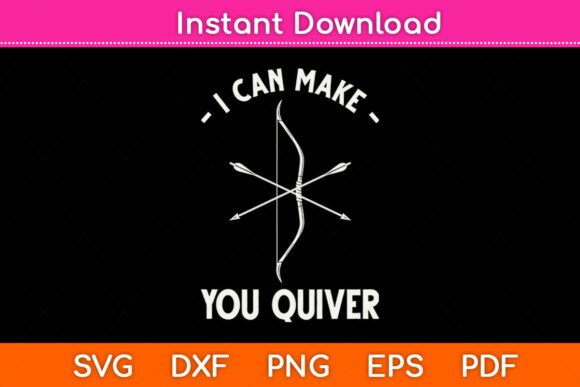
The title alone sets a playful, confident tone. It's not just a static archery graphic; it's a statement. This design has personality. The composition likely features the bowmen figure paired with that bold text, creating a layout that feels modern and thematic rather than overly cartoonish or dated. It's a graphic that speaks to a niche—archery enthusiasts, hunters, or anyone with a love for the sport—with a wink and a smile. My first thought is that it carries a vibe perfect for a personalized gift or casual, spirited apparel. It doesn't feel overly corporate; it feels handmade and friendly.
A Natural Fit for Casual Apparel and Gifts
In my hands, this embroidery file naturally leans toward projects where personality is key. Picture it stitched onto a heavyweight cotton sweatshirt for a birthday gift, or centered on a canvas tote bag for a craft fair. It would shine on a dad's cap or a cozy blanket for a cabin. The theme suggests it belongs on items used in relaxed settings, not formal wear. It's a design that invites a conversation, a nod of recognition from someone who shares the interest.
Real-Life Embroidery Scenario: The Custom Sweatshirt
Let’s walk through a typical use case. A client requests a custom sweatshirt for her husband, an archery club member. I'm considering this I Can Make You Quiver design. My practical mind starts running through the checklist. The text is prominent, so stitch clarity is paramount. On a mid-weight sweatshirt fabric, the fill stitches for the bowmen figure need to be dense enough to look solid but not so dense they distort the fabric. The smaller details, like the bow string or fine lettering, will require a keen eye on stitch type and stabilizer choice. A good tear-away stabilizer will be essential here, especially for the textured knit. I'd likely test it on a scrap of similar fleece first to check for any puckering.
Where This Design Should Be Used Carefully
Not every project surface is ideal. For this particular graphic, I'd proceed with caution on a few fronts. The combination of text and illustration means very small hoop sizes might compress the details, making the lettering less readable. Stretchy fabrics like thin t-shirts require meticulous stabilizer work to prevent distortion of the witty phrase. On dark fabrics, the thread color contrast becomes critical; a poorly chosen palette could mute the playful message. And on curved surfaces like the crown of a cap, the layout’s width might need adjustment to fit without crowding the seams. These are not flaws of the design, but simply the realities of machine embroidery that any experienced designer considers.
How It Affects Product Value and Customer Trust
When I stitch a design like this onto a finished product, its quality directly impacts perceived value. Clean, sharp stitches on the text "I Can Make You Quiver" convey craftsmanship. A blurred or poorly saturated fill stitch on the bowmen figure might make the item feel cheap. For my small shop or an Etsy seller, that difference builds or breaks customer trust. This design, executed well, turns a simple sweatshirt into a thoughtful, handmade product. It elevates it from generic to personalized. For a creative entrepreneur, that’s the sweet spot—a product that feels specific and skillfully made, which encourages engagement and repeat business.
Its Role in Commercial Embroidery and Craft Business
Beyond one-off gifts, this embroidery file has potential as a staple for a niche craft business. Imagine a series of archery-themed products: embroidered patches, aprons for grill masters, or pillow covers for a lodge-style decor. Used consistently across products, it can help build a recognizable brand for a small shop targeting outdoors enthusiasts. The key is ensuring the design is licensed for commercial use if you're selling finished items. Always confirm that before listing anything on your storefront. As a digital product seller, offering this as part of a themed bundle with other outdoor graphics could also be a smart move.
Practical Designer Notes Before You Stitch
Here’s my real-world advice before you run this file for any embroidery project, be it a baby onesie for a funny gift or a kitchen towel for a hunter's cabin.
- Test on Scrap Fabric First: Always do a run on a piece of similar material. It reveals how the stitch density behaves and if any details need tweaking.
- Check Thread Color Contrast: Plan your palette. For light fabrics, bold, dark threads might work. For dark fabrics, consider bright or metallic threads to keep the statement strong.
- Review the Design in Mockups: Even simple black-and-white digital mockups on a sweatshirt or tote bag image can help you visualize placement and size before committing thread.
- Consider the Fabric Texture: Rough textures like burlap might lose fine details; smooth cotton twill will show them best.
- Confirm Your Hoop Size: Ensure the design dimensions fit comfortably within your intended hoop to avoid unnecessary repositioning.
- Use Proper Stabilizer: Match the stabilizer to your fabric weight and stretch. This is non-negotiable for professional results.
The Final Stitch: A Design with Charisma
The I Can Make You Quiver Archery Bowmen Svg isn't just a graphic; it's a charismatic design asset. From a professional embroidery standpoint, its success hinges on thoughtful application. It belongs on projects where its playful, thematic mood can shine—on casual apparel, personalized gifts, and niche handmade products. With careful attention to fabric choice, stabilizer, and stitch execution, it can transform into a high-value, conversation-starting piece. That’s the ultimate goal: a design that not only looks good in the software but comes alive with personality and craftsmanship in the final, stitched product. That’s when it truly earns its stitches.