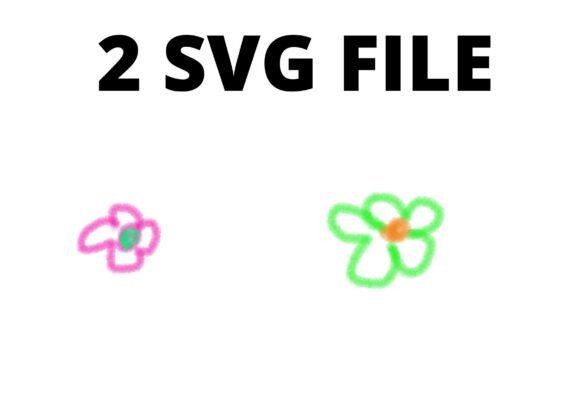
Pnk Blue Green Flower Watercolor SVG: An Embroidery Designer's Review
When I’m evaluating a new embroidery design for real project use, the first thing I do is picture it stitched out. Not on a perfect digital preview, but on actual fabric—a slightly textured linen apron, the soft cotton of a baby onesie, or the sturdy canvas of a tote bag. Today, I’m looking at the Pnk Blue Green Flower Watercolor SVG from that exact perspective: as a designer who needs to trust a file before putting it into client work, handmade products, or my own small shop merchandise.
First Impression: A Soft, Modern Craft Mood
The design immediately suggests a gentle, contemporary aesthetic. The “watercolor” aspect isn’t just a trendy label; the implied brushstroke feel in the floral shapes creates a mood that’s both artistic and approachable. It’s a soft statement, not a loud one. The blend of pink, blue, and green tones feels fresh and versatile—it could lean feminine, botanical, or simply cheerful depending on your project context. From a layout standpoint, it looks well-balanced, with a level of detail that suggests it will translate into embroidery with clear, distinct areas for stitch work, rather than becoming a muddy, dense block of thread.
The Natural Fit for Real Embroidery Projects
So, where does this design belong? I picture it effortlessly on custom apparel like relaxed-fit sweatshirts or t-shirts, where its organic flow complements the garment’s casual vibe. It’s a strong candidate for personalized gifts: imagine this embroidered on a linen pillow cover for a housewarming present, or as a delicate accent on a kitchen towel set. For small business merchandise, this could become a signature design for a boutique’s embroidered tote bags or aprons, offering a recognizable yet not overly common visual identity.
I’m particularly thinking about a recent scenario: preparing a custom embroidered baby blanket for a client. They wanted something modern and gentle, not traditional or cartoonish. The Pnk Blue Green Flower Watercolor SVG would have been a perfect contender. Its soft color palette aligns with nursery decor trends, and the floral theme feels timeless without being fussy. Stitched out in a tasteful thread selection, it would elevate a simple blanket into a cherished, handmade heirloom.
Performance on Fabric: Where It Shines and Where to Be Cautious
In real-life embroidery situations, the success of a design hinges on its translation from screen to stitch. For this watercolor floral, I anticipate lovely results on medium-weight, stable fabrics. The implied watercolor effect—with its soft edges and blended color zones—will rely on clever thread color choices and appropriate stitch types (likely a combination of satin stitch for outlines and fill stitch for larger areas) to capture that painterly feel.
However, this style demands careful consideration on certain surfaces. On highly textured fabrics like some boucle or heavy linen, the finer details might lose clarity. On stretchy fabric like a thin t-shirt, adequate stabilizer is non-negotiable to prevent distortion of those flowing shapes. Embroidering it onto a curved surface, like a cap, would require testing to ensure the layout adapts well to the contour without awkward compression of the design.
For dark fabric backgrounds, the color story changes completely. The pink, blue, and green would need to be chosen with higher contrast threads to maintain the design’s vitality and avoid it looking dull or washed out. This isn’t a flaw; it’s simply a practical note for any embroidery designer working across different substrates.
Affecting Appeal and Value in Your Craft Business
Using a design like this in your craft business or for Etsy listings goes beyond mere decoration. It impacts perceived value. A well-executed embroidery of this design on a tote bag conveys a sense of artistry and attention to detail that customers connect with handmade presentation. It feels intentional, not generic. That builds customer trust and can enhance buyer engagement because the product tells a subtle story—it’s modern, gentle, and crafted with care.
For digital product sellers using this in printable mockups or as part of design assets, its clean, scalable SVG format (as noted in the provided description) is key. It allows for crisp previews that help potential buyers visualize the final embroidered product accurately, supporting a professional sales process.
Practical Designer Notes Before You Hoop the Fabric
Before running this embroidery file on a client’s order or a batch of shop merchandise, my routine applies. Always test the design on scrap fabric first, using a background similar to your final project. This allows you to review stitch density and inspect how the small details, like the flower centers or petal overlaps, render with your machine and thread.
Check thread color contrast meticulously. Do your chosen pinks, blues, and greens create the watercolor blend you envision, or do they look too separate? Sometimes a slight deviation from the digital color can yield a more harmonious stitched result.
Since the provided description emphasizes its suitability for craft designs, POD, scrapbook, and templates, it clearly hints at broad usability. However, for embroidery-specific use, confirm your hoop size can accommodate the design’s dimensions without requiring excessive reduction that might crush detail. Also, as a professional, always confirm licensing before selling finished items or digital products to ensure your use—whether for personal gifts or commercial embroidery projects—is fully covered.
Finally, consider running a simple black and white mockup of the design. This helps you see the pure shape and layout, stripping away color, to ensure the underlying composition is strong and balanced—a fundamental check for any enduring embroidery design.
A Design Ready for Your Creative Interpretation
The Pnk Blue Green Flower Watercolor SVG presents itself not as a rigid template, but as a versatile starting point. Its mood is its biggest asset: soft, modern, and artistically suggestive. In the hands of an embroidery designer who approaches it with practical testing and thoughtful application, it can become the heart of a beautiful custom apparel piece, a standout embroidered patch, or a line of cohesive small shop products. Its value lies in how you translate that watercolor feel into thread and fabric, creating a finished product that feels both crafted and contemporary.