A Designer's Real-World Look at Eat Sleep Night Shift Repeat SVG
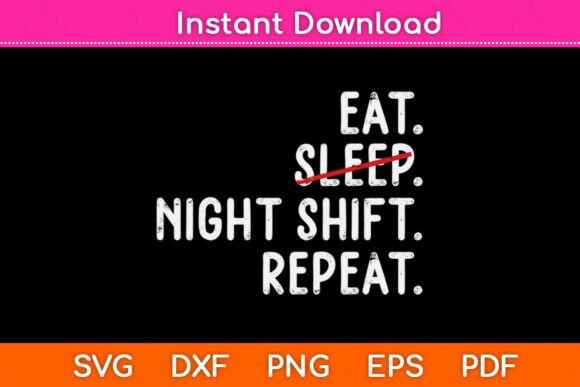
When a new design lands in my library, my first instinct isn't just to admire it on screen. I immediately start visualizing it stitched into fabric, worn on a sleeve, or hanging in a client's home. That's the lens I applied to the Eat Sleep Night Shift Repeat SVG File. This isn't a generic review; it's a practical evaluation from the perspective of someone who needs a design to perform in real embroidery projects, from client commissions to my own small shop merchandise.
The Immediate Mood and Where It Naturally Belongs
Opening this file, you get a sense of rhythmic, almost mantra-like repetition. The phrase itself creates a mood of solidarity and gentle humor—it’s for those in the trenches of a demanding schedule. The layout and typography feel casual and relatable, not overly corporate or slick. This visual personality tells me it belongs on items meant for comfort, camaraderie, or a personal laugh. It doesn't scream "holiday" or "formal gift." Instead, it whispers "everyday recognition."
My mind went straight to custom apparel for a specific audience: a custom embroidered sweatshirt for a nurse friend, a well-loved tote bag for a night-shift worker, or a simple patch on a durable apron. The design's theme suggests it would resonate deeply on a personalized gift, far more than as a generic, mass-market graphic.
Performance on Actual Products: Where It Shines and Where to Be Cautious
Let's walk through a real scenario. Imagine I'm preparing a custom embroidered tote bag as a gift for a colleague returning to night shifts. Using this as an embroidery file, the text-based nature is a major advantage. In machine embroidery, well-defined lettering with adequate spacing translates to clear satin stitch or fill stitch borders, resulting in a professional, readable finish. On a sturdy tote bag fabric, the design would hold up beautifully, becoming a durable, daily-use item.
It would also excel on a heavyweight sweatshirt embroidery or a pillow cover in a home office. The mood fits the product. For baby embroidery? Probably not—the theme is too niche. But for holiday embroidery aimed at a specific person (think a Mother's Day gift for a mom who works nights), it becomes profoundly thoughtful.
However, caution is needed in several key areas. The repeating text likely has some small details and corners. On small hoop sizes or on textured fabrics like some towels, tiny lettering can lose clarity. On stretchy fabric like thin t-shirts without proper stabilizer, the design could distort. Embroidering on dark fabric requires careful thread color contrast planning—a white or bright fill stitch would pop, but a subtle thread choice might get lost.
I'd be hesitant to use it on curved surfaces like caps unless the design is significantly simplified or adapted, as the layout might not flow with the curve. For products needing frequent washing, like kitchen towels, ensuring high-quality thread and secure stitching is paramount.
How This Design Influences Your Craft Business
From a business standpoint, using the Eat Sleep Night Shift Repeat SVG File affects more than just the stitch. Its relatable theme boosts visual appeal for a targeted customer, increasing buyer engagement. A well-executed embroidery of this on a product shows stitching clarity and attention to detail, which builds customer trust and enhances the handmade presentation.
For an Etsy seller or small shop product, this design offers a specific niche product. It’s not another generic slogan. This can help with brand consistency if your shop caters to healthcare workers, students, or service industry professionals. The giftability and recognition factor are high, translating to positive reviews and repeat customers. When used in commercial embroidery projects for a local business's staff gifts, it demonstrates professionalism and thoughtfulness.
Practical Designer Notes Before You Hoop the Fabric
Before I'd ever run this design on a client's item, my process is straightforward and non-negotiable. Test the design on scrap fabric first. Use the same material you intend for the final product. This reveals issues with stitch density or small text readability.
Check thread color contrast against both light and dark backgrounds. Create simple black and white printable mockups to see the form clearly. Confirm your hoop size can accommodate the design without forcing compression of the elements. Inspect the small details in the file on your software—are there any overly intricate corners that might bunch up?
Crucially, since the provided description notes it's a cut file for Cricut and Silhouette, I must advise: this evaluation is from an embroidery perspective. For machine embroidery design use, you need to confirm the availability and compatibility of an actual embroidery file format (like .pes, .dst). The description mentions great uses for t-shirts, mugs, pillows—which are often vinyl or print applications. Therefore, check whether the design works for both personal and commercial projects by reviewing the specific licensing terms before selling finished embroidered items or digital embroidery files derived from it.
Using proper stabilizer for your chosen fabric is key to preserving the design's intent. Finally, think about the end-user. An embroidered patch with this saying might be perfect for a work bag. A baby clothes item? Likely not. Matching the design's personality to the product is half the battle in creating a successful finished product.
In essence, the Eat Sleep Night Shift Repeat SVG File carries a potent, specific vibe. It’s a crafts and graphics product with strong potential when applied thoughtfully to the right canvas. Its value isn't universal; it's deeply contextual. For the embroidery designer or maker targeting a heartfelt, niche market, it can be a wonderful tool. But its success hinges entirely on your practical judgment in pairing it with the right fabric, the right product, and the right audience.