Evaluating Archery Nocked and Loaded for Embroidery Projects
As someone who stitches designs for clients and for my own small shop, I look at every embroidery file with a practical eye. My first question is always: how will this actually look when it’s stitched out onto fabric? Let’s walk through that process with the Archery Nocked and Loaded design.
First Impressions: A Design with Clean, Bold Character
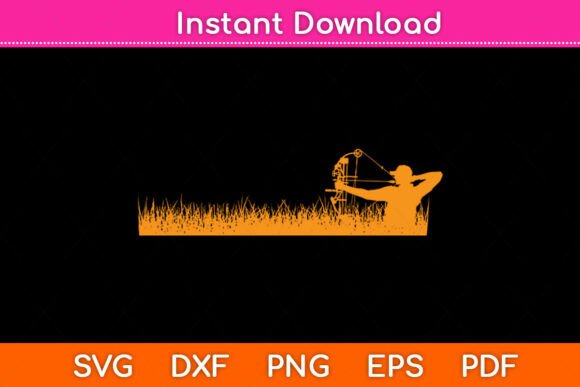
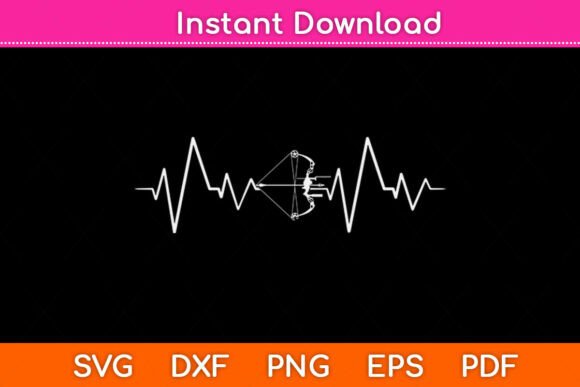
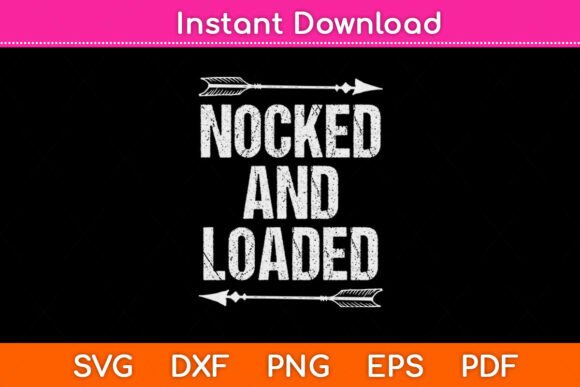
Opening the Archery Nocked and Loaded file, the mood is clear: confident, focused, and a bit traditional. The layout feels balanced, with the arrow and bow elements creating a strong central shape. The detail level is thoughtful—it has the necessary lines to define the theme without being overly intricate. This gives it a visual personality that’s both classic and ready for action, which is perfect for a wide range of projects. It doesn’t scream “novice craft”; it whispers “quality handmade product.”
Immediately, I started picturing it on a heavyweight cotton tote bag or the breast of a structured denim jacket. The design has a substantial feel that lends itself well to items needing a bit of visual weight. It would be equally compelling as a crisp, clean patch.
The Real-World Embroidery Scenario: Crafting a Gift for an Archer
Picture this: a client requests a personalized gift for her husband, an avid archer. She wants something he can use daily, that feels special but not flashy. We settle on a high-quality, neutral-colored sweatshirt. Now, I’m considering the Archery Nocked and Loaded design for this job.
On a sweatshirt, the design’s bold shape would anchor the piece nicely. The open areas within the design allow for smart use of satin stitches and fill stitches without creating a overly dense, stiff patch of thread that would uncomfortable on a knit fabric. For a baby item, like a little onesie for a newborn in an archery family, I’d likely scale it down carefully, ensuring the simplified details still read clearly as an archery motif. It has that giftability factor—it’s recognizable and personal without being overly sentimental.
Where This Design Excels in Product Creation
For small business owners and Etsy sellers, this design is a versatile asset. It naturally fits into several popular product categories:
- Custom Apparel: Think t-shirts, hoodies, and caps. The theme has a niche appeal that can attract a dedicated customer base.
- Home Goods: Embroidered on a pillow cover for a cabin or lodge room, or stitched neatly onto a kitchen towel for a sports enthusiast’s home.
- Personalized Gifts: Beyond apparel, it would make a great focal point on a blanket or as nursery decor for a family passionate about the sport.
- Commercial Embroidery: For a boutique selling outdoor or sporting goods, this could be part of their branded merchandise, adding a handmade touch to their brand consistency.
The clean lines also mean it works well for digital product previews and printable mockups, helping you market the finished product effectively.
Caution Areas: Stitching Considerations for Success
No design is perfect for every single scenario. Here’s where I’d proceed with care using the Archery Nocked and Loaded embroidery file.
On highly textured fabrics like some linens or boucle, the finer lines might get lost. Stitching it onto thin or stretchy fabric requires careful stabilizer choice to prevent distortion. Dark fabric backgrounds will demand a thoughtful thread color strategy—you might need to underlay with a light color to make the design pop, which adds time and cost.
Curved surfaces like caps can be tricky. The design’s relatively straight lines would need to be hooped and placed strategically to avoid looking warped. I would not recommend this for very small hoop sizes; shrinking it too much could compromise the clarity of the arrow and bow elements. Always test a scaled-down version on scrap first.
How It Impacts Your Business and Customer Trust
Using a well-executed design like this affects more than just the stitch count. When a design stitches out cleanly, with good stitch density and clear details, it elevates the visual appeal of the entire product. That clarity translates directly into perceived product value. A customer receiving a sweatshirt with a crisp, professional-looking embroidery feels they’ve invested in a quality item, not just a craft. This builds customer trust and engagement.
For the maker, it reinforces a professional presentation. Your handmade product looks intentional and skilled, which is crucial for repeat business and building a brand. The design’s straightforward theme also makes it highly giftable—it’s easy for the recipient to understand and appreciate.
Practical Notes from the Embroidery Machine
Before committing this design to a client project or your shop inventory, here’s my standard checklist.
- Test, Test, Test: Run it on your intended fabric type as a scrap sample. Check thread color contrast against both light and dark backgrounds.
- Inspect the Details: Look closely at the small areas in the design during your test. Are any corners too tight for a clean satin stitch? Does the stitch density feel appropriate for the fabric?
- Confirm Your Setup: Use proper stabilizer for the project. Double-check that the physical hoop size you plan to use accommodates the design comfortably.
- Licensing is Key: The product description states it’s for use with cutting machines, but as an embroidery designer, you must confirm the licensing terms before selling any finished items or commercial embroidery projects. Does it allow for commercial use of the stitched product? Never assume.
- Versatility Check: See if the design holds its character in simple black and white mockups. This helps plan for monochromatic thread schemes.
The Archery Nocked and Loaded design, from a practical embroidery standpoint, is a solid graphic with good application potential. It’s not overly complex, which is often a benefit for reliable stitching. Its strength lies in its clear theme and balanced composition, making it a dependable choice for personalized gifts, niche apparel, and small shop merchandise when paired with the right fabric and careful execution. It’s a design that, when stitched well, will look like it was always meant to be there.