Beyond the Arrow: Evaluating a Heartbeat Archery Design for Embroidery
Whenever a new design lands in my library, I treat it like a potential collaborator. Today, I'm taking a closer look at the Heartbeat Archery Svg Png Cut File. I want to assess not just what it looks like, but how it might perform in the real-world projects I and my fellow designers tackle daily. Whether you're creating a personalized gift, stocking your small shop, or fulfilling a client order, the success of your finished product hinges on the design file you start with.
The Visual Personality: More Than Just a Sport
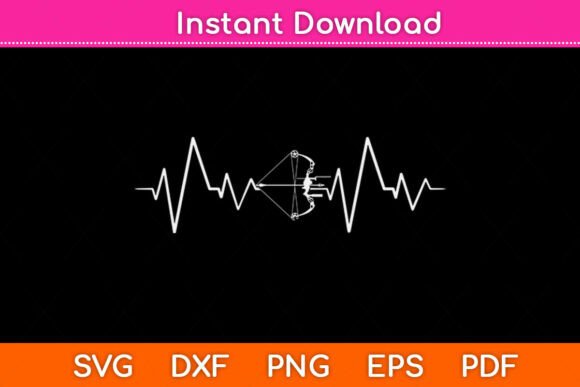
The first impression of this Heartbeat Archery design is strong. It's cleverly symbolic—a heartbeat rhythm transforming into an arrow's path. This isn't a generic sports logo; it speaks to dedication, focus, and passion. The layout is modern and clean, with the central graphic having a confident, graphic feel. The detail level appears balanced; it's not overly intricate, which is a huge plus for translating well into machine embroidery. This visual personality leans towards a thoughtful, meaningful gift or a piece of branded apparel for someone deeply involved in archery, rather than a casual, mass-market graphic.
Where This Design Finds Its Perfect Home
Imagining this design stitched onto a product, I see it fitting beautifully into several niches. A custom embroidered sweatshirt or a sturdy tote bag for an archery enthusiast would be a standout piece. The design carries enough weight to feel substantial on a garment but isn't so large that it would dominate a baby item like a onesie. As a patch, it would be fantastic—the clean lines would make for a crisp satin stitch border. For boutique merchandise, think beyond apparel: a nicely embroidered pillow cover for a cabin or a kitchen towel as a unique gift for a hunter. Its theme makes it ideal for personalized products celebrating a specific hobby.
A Real Project Scenario: The Custom Anniversary Sweatshirt
Let's walk through a practical scenario. A client requests a custom sweatshirt for her husband's anniversary—he's an avid archer, and she wants something symbolic of his dedication. The Heartbeat Archery design is immediately a contender. I would consider stitch clarity: the transition from heartbeat to arrow needs to be smooth in embroidery. Would I use a fill stitch for the solid areas or an applique approach? The design's shape suggests satin stitches for the arrow shaft could look sharp, but I'd need to test the stitch density to ensure it doesn't become too bulky on the fleece backing of a sweatshirt. This directly impacts the product's comfort and durability.
Navigating the Practical Embroidery Challenges
For a design like this, success depends on mindful application. On textured fabrics like fleece or thick towelling, the finer details of the heartbeat line might need slight adjustment to remain clear. On thin or stretchy fabric, robust stabilizer is non-negotiable to prevent puckering. Dark fabric backgrounds require careful thread color contrast planning—a white or metallic thread might be stunning here. The design's corners aren't extremely sharp, which is good for avoiding thread breaks, but on a curved surface like a cap, the longer arrow line might require careful hooping to avoid distortion.
One of the biggest considerations for craft business owners is longevity. Products that need frequent washing, like baby clothes or kitchen linens, benefit from designs with stable stitch structures. Testing the Heartbeat Archery design on scrap fabric first would reveal how well the stitch holds up. This step is crucial for maintaining customer trust and the professional presentation of your handmade products.
The Business Impact of a Well-Chosen Design
Using a design with clear visual appeal and thematic strength, like this one, elevates your finished product. It increases perceived value, making it more giftable and memorable. For an Etsy seller or small shop, it supports brand consistency if you specialize in hobby-themed or symbolic goods. In a craft fair setting, a well-embroidered tote bag with this design would likely engage a buyer looking for a meaningful, not generic, item. It fosters recognition—customers associate your work with thoughtful, well-executed designs.
Essential Designer Notes Before You Hoop
Before running this machine embroidery design, my routine checks are always the same. I recommend you do them too. Test, test, test. Run it on your scrap fabric first. Check thread color contrast against your final fabric—create simple black and white mockups to see the form clearly. Review the stitch density in your software; is it appropriate for your chosen fabric weight? Confirm your hoop size can accommodate the design comfortably, allowing for clean registration of all elements.
Inspect the small details: are the points where the heartbeat meets the arrow defined enough for your machine to stitch accurately? Since the product description notes it's a cut file for machines like Cricut and Silhouette, remember that for embroidery, you're likely converting or using it as a guide. This means double-checking the paths for clean vector lines. Crucially, you must confirm the licensing terms for this Heartbeat Archery Svg Png Cut File before selling any finished items or using it in commercial embroidery projects. The description states it's a digital product, but the specifics of commercial use need to be verified.
Final Judgment: A Design with Purposeful Potential
The Heartbeat Archery Svg Png Cut File presents itself as a graphics asset with solid potential for embroidery translation. Its mood is specific and meaningful, which is a strength in a crowded market. It feels destined for projects where symbolism matters—personalized gifts, hobby-specific apparel, and boutique products that tell a story. Its clean layout suggests it will stitch out cleanly with proper technique, boosting stitching clarity and final product value.
For embroidery designers and creative entrepreneurs, the key is to apply it with practical wisdom. Match it to the right fabric, use the correct stabilizer, and always pre-test. When used thoughtfully, this design can help create a finished product that feels professional, engaging, and truly handmade with intention.