If at First You Don't Succeed: Evaluating an SVG Embroidery Design
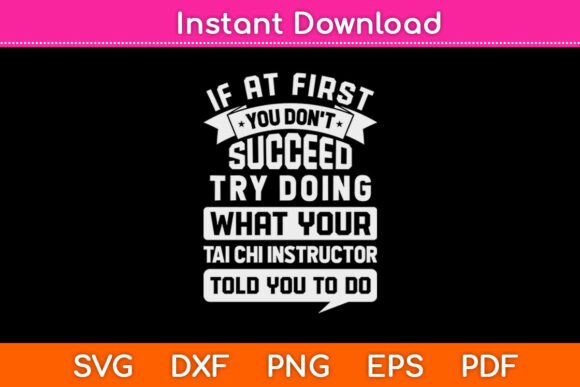
As a designer who regularly turns digital files into stitched reality, I approach every new embroidery design with a practical eye. My job is to see past the screen preview and envision how it will live on fabric, how it will feel to stitch, and ultimately, how it will resonate with a client or customer. Today, I'm considering the "If at First You Don't Succeed" SVG file, a design that arrives with a specific personality and a clear, witty message.
The First Impression: Wit and Wisdom in a Single Line
This design is straightforward by nature—a single line of text carrying a well-known adage. Its strength lies in its simplicity and its mood. It's encouraging, humorous, and relatable. For embroidery, this means the visual personality is entirely conveyed by the font style and the layout. A bold, clean typeface would feel motivational and strong, perfect for a gym bag or a coach's cap. A more playful, handwritten style would lean into the lighthearted, resilient tone, ideal for a baby's milestone blanket or a friend's gift towel. The detail level is inherently low, which is a significant advantage for many embroidery projects; it translates to cleaner stitching, fewer thread breaks, and a more legible finished product.
A Real Project Scenario: Custom Embroidered Tote Bags for a Tai Chi Studio
Let's walk through a real-life use case. Imagine a Tai Chi instructor, as hinted in the product description, wanting to create custom tote bags for their students. They want something that reflects the patience and persistence of the practice. This design is a perfect candidate. I would envision it stitched centrally on a sturdy canvas tote. The message aligns perfectly with the martial art's philosophy. In embroidery, the success of this project hinges on execution. A satin stitch for the letters would provide a smooth, premium look that elevates a simple bag into a thoughtful branded product. The single-line layout ensures it sits well within a standard hoop, avoiding the complications of multi-line text alignment.
Performance Across Common Embroidery Applications
This design's simplicity makes it remarkably versatile. For custom apparel like sweatshirts or t-shirts, it works as a neat chest or sleeve motif, not overpowering the garment. On baby clothes or nursery decor, it becomes a sweet, aspirational message. As an embroidered patch, it's highly effective—the text is easy to read even at a smaller scale, making it suitable for caps or jackets. For home goods like pillow covers or kitchen towels, it adds a touch of personality without being kitschy. For small business owners, especially Etsy sellers or those at craft fairs, it's a ready-made design for personalized gifts, from wedding encouragement gifts to general holiday presents. It can be the centerpiece of a boutique's mindful merchandise line.
Its value in commercial embroidery projects is clear: it's quick to stitch, reducing machine time and cost, and the message has broad appeal. When used in printable mockups or as part of a digital product preview, it presents cleanly and professionally, helping build customer trust in the final stitched product.
Where This Design Demands More Careful Planning
While versatile, certain applications require a designer's forethought. On very small hoop sizes, the lettering must be scrutinized. Tiny, intricate serifs or condensed fonts might lose clarity or puff up with dense stitch fill. Embroidering on textured fabrics like waffle-knit or on stretchy fabric like performance tees requires robust stabilizer to keep the text from distorting. Dark fabric backgrounds necessitate thoughtful thread color choices—a white or bright satin stitch would pop, but a low-contrast color might render the witty message ineffective.
The design is ideal for flat surfaces. On curved surfaces like caps, the single line is actually a benefit, as it can follow the curve more easily than a complex graphic. However, one must always check the specific detailed corners of the chosen font in the SVG to ensure they won't be overly bulky. There are no dense stitch areas to worry about here, which is a relief. For products needing frequent washing, like aprons or tea towels, using a durable thread and perhaps a simpler fill stitch rather than a lofty satin stitch can help longevity.
The Impact on Visual Appeal and Customer Perception
A well-embroidered version of this design speaks volumes. The stitching clarity of a crisp line of text directly impacts product value. It looks professional, not homemade in a pejorative sense. This builds customer trust and elevates the handmade presentation. For a creative entrepreneur, using such a design consistently on a line of products can bolster brand consistency—it becomes a recognizable motif associated with encouragement or perseverance.
Its giftability is high. It's personal without being overly specific. The recognition of the common phrase makes it instantly understandable, creating immediate engagement. For an apparel decorator, it's a design that sells because it connects emotionally. It’s not just decoration; it’s a statement.
Practical Designer Notes Before You Hoop the Fabric
Before running this embroidery file on your machine, a few steps are non-negotiable. First, test the design on scrap fabric of the same type you intend to use. This reveals how the chosen font translates into stitches. Check thread color contrast against your final fabric background in both natural and artificial light. Review stitch density in your software—for text, sometimes reducing the density slightly prevents puckering.
Confirm hoop size compatibility. While the description notes it's for cutting machines like Cricut, for embroidery, you must ensure your software can properly convert or use the SVG and that the design dimensions fit your embroidery hoop. Inspect small details like punctuation; a comma or period can become a blob if not simplified. Always test it in black and white mockups to see its form without color bias, and compare light and dark fabric backgrounds digitally.
Use proper stabilizer. For text, a firm cut-away stabilizer on stretchy fabrics is often wise. Crucially, check whether the design works for both personal and commercial projects by confirming the licensing terms provided with the file. As it's a digital file in the Crafts and Graphics category, the seller's license dictates if you can sell the embroidered tote bags or baby blankets you make. Never assume; always confirm.
In the end, the "If at First You Don't Succeed" SVG file is a powerful, simple tool in a designer's arsenal. Its success depends entirely on your thoughtful application. Pair it with the right fabric, the right stitch type, and the right product context, and it transforms from a digital graphic into a stitched piece of encouragement that truly resonates.